Congratulations! You’ve been working towards retirement your whole life, and 2026 is the year you finally get to sit back, relax, and enjoy the benefits of years of hard work.
Retirement changes almost everything about your financial picture: how you earn income, how you spend it, how you protect it, and how you pass it on. Estate planning and retirement planning are deeply connected, so your estate plan needs to shift with this new chapter in life.
Here’s what to review as you are getting ready for retirement.
1. Ensure Your Retirement and Estate Plan Works Seamlessly Together
Planning for retirement and planning to secure your estate shouldn’t feel like two separate projects. The goal is the same: long-term financial security. As you ease into retirement, start by assessing your long-term financial needs and ask yourself these three questions:
- Will your savings and investments realistically last as long as you need them to?
- Do your withdrawal plans (RMDs, pensions, Social Security) align with your long-term goals?
- Are you considering taxes, medical costs, and the unexpected bill that always seems to show up?
This is the time to make sure your estate plan supports the lifestyle you’re planning for.
2. Review Your Core Estate Planning Documents
Before you step into retirement, make sure the essential documents of your estate plan are accurate and up to date. If you’re wondering what to review in your will before retirement, start here:
- Your Will: Confirm that beneficiaries are up to date, executors are still willing and able to carry out their duties, and assets you intend to pass on are clearly listed.
- Your Trusts: Review whether existing trusts are properly funded, whether distribution instructions still make sense, and whether updates are needed for any new financial events.
Trusts may also need a fresh look, especially if you’re considering tax strategies, protecting certain assets, or making sure your heirs don’t receive a lump sum before they’re ready. For many people heading into retirement, trusts offer more control, more privacy, and more protection.
3. Update Beneficiary Designations
This is often one of the most overlooked steps. Your will does not control who inherits ALL of your assets; your beneficiary designations determine who gets some assets. This makes it crucial to review them before you retire. Check all:
- IRAs
- 401(k)s or employer plans
- Life insurance policies
- Transfer-on-death (TOD) and payable-on-death (POD) accounts
A quick update now can prevent headaches, stress, and complications later on.
4. Refresh Your Powers of Attorney and Healthcare Directives
A durable financial power of attorney, medical power of attorney, and healthcare directive are critical documents that protect you if you become unable to manage your own finances or make medical decisions for yourself. Ask:
- Are the people named as agents still the right choice?
- Have relationships changed?
These documents should always reflect your current preferences with people you trust.
5. Prepare for Long-Term Care and End-of-Life Costs
Thinking about long-term care and end-of-life is never fun, but a necessary retirement consideration. With rising healthcare costs and longer life expectancies, retirees should consider:
- Future long-term care needs
- Long-term care insurance or alternatives
- Asset protection strategies
- Dedicated savings for healthcare expenses
You’re not planning for something to go wrong, you’re giving yourself options and giving your loved ones clarity if life takes an unexpected turn.
6. If You’re Moving Out of State When You Retire, Update Your Documents ASAP
Many retirees decide to move to be closer to family, for a difference in weather, or even for lower taxes. Estate planning laws vary widely by state, so make sure your documents are updated accordingly. Especially when it comes to:
- Powers of attorney
- Advance healthcare directives
- Probate processes
- Homestead rules
- State estate or inheritance taxes
While Alabama does not impose a state estate or inheritance tax, federal estate tax exposure and asset protection considerations still matter—especially if you relocate to a state with different tax or probate rules.
If your 2026 retirement includes a move, even if it’s just part time, review your estate planning documents with an attorney in your new state.
7. Keep Your Estate Plan Updated Throughout Retirement
After you retire, aim to do a quick review every 1–3 years or whenever you experience any major life changes, including:
- Significant asset increases or decreases
- New grandchildren or family changes
- Shifts in health
- Tax law updates
A little maintenance now prevents big surprises later.
Contact Miller Estate and Elder Law
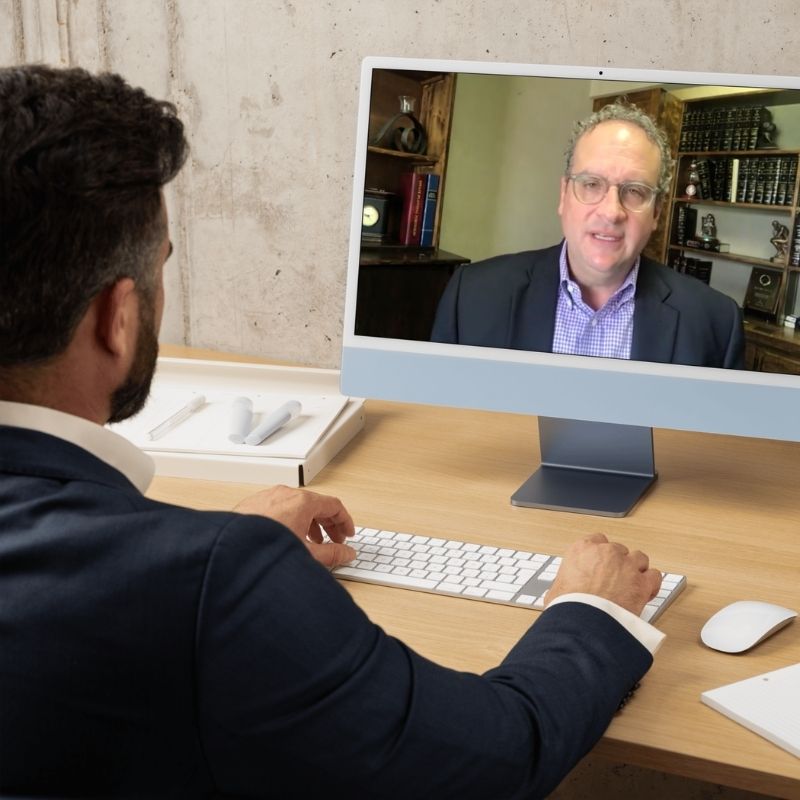
Your estate plan should reflect your current life, not a version of it from 10 or 20 years ago. So, if you are retiring in 2026, reviewing and updating your estate plan now will give you clarity, security, and peace of mind as you enter this exciting new chapter.
Call us at (256) 251-2137 to discuss your legal needs, or get in touch with us by completing the brief form below.